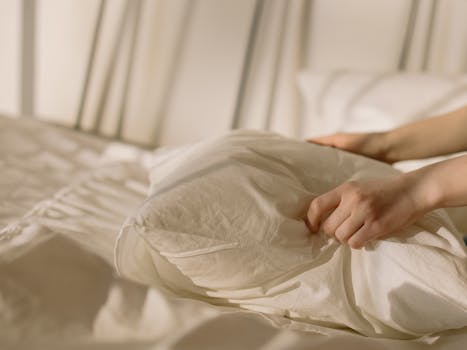
Within the seemingly innocuous fluff of your pillow lies a hidden ecosystem, a veritable petri dish of microscopic mayhem. Dust mites, those minuscule arachnids, feast on the nightly accumulation of sweat, sebum, and shed skin cells – a veritable smorgasbord for these unwelcome guests. These allergens, coupled with bacteria and fungi, create a nightly assault on your respiratory system, effectively sabotaging your quest for restorative sleep. Envision your pillow as a neglected herbaceous border: without diligent maintenance, the vibrant blooms of restful slumber are choked by the insidious weeds of irritants.
The insidious problem isn't merely superficial; it festers deep within the pillow's core. Imagine the filling as a complex, porous matrix. Repeated use compresses the fibers, creating microscopic havens where moisture and debris linger, much like a waterlogged sponge. This trapped detritus releases volatile organic compounds (VOCs), polluting your slumbering sanctuary's air quality. This ceaseless bombardment of irritants can manifest as a cascade of unpleasant symptoms: sneezing fits, persistent coughs, nasal congestion, skin irritations, and even exacerbations of pre-existing conditions such as asthma and allergies.
Damaged pillow fibers, frequently a consequence of improper laundering or infrequent cleaning, further compromise your sleep sanctuary. These breaches in the pillow's structural integrity are akin to gaping holes in a fortress wall, allowing allergens and bacteria unimpeded access to your face during your vulnerable nocturnal hours. Therefore, meticulous cleaning isn't simply about eliminating existing irritants; it's crucial for preserving the pillow's structural integrity, thereby extending its lifespan and maintaining its crucial supportive function. Consequently, selecting the appropriate cleaning method for your pillow’s unique composition is paramount.
The optimal cleaning methodology hinges entirely upon your pillow's filling – be it down, feather, memory foam, or latex. Delicate down and feather pillows demand a gentle approach: a lukewarm machine wash using a specialized, pH-balanced detergent is recommended. Memory foam and latex pillows, however, often require more hands-on attention, such as spot cleaning or a meticulous hand wash. Always consult the manufacturer's recommendations; improper cleaning can lead to irreparable damage, resulting in unsightly clumping, deformation, and a premature demise of your sleep companion.
Finally, the drying process is critical. Air drying, ideally in direct sunlight to accelerate the process, is usually best to prevent shrinkage and damage. Avoid tumble drying; the extreme heat and abrasive action will significantly curtail your pillow's lifespan. For down and feather pillows, continue the gentle approach; regular fluffing during the drying phase prevents clumping and maintains their airy loft, ensuring optimal support and a haven of undisturbed sleep.
The Profound Impact of Pristine Pillowcare: A Transformation from Night to Day
Overlooked, yet profoundly influential, the link between pillow purity and sleep architecture is often underestimated. Neglecting this fundamental aspect of sleep hygiene is akin to inviting a nightly infestation – a silent siege of dust mites and bacteria – into your most vulnerable state. The repercussions extend far beyond a simple sniffle or mild skin irritation; they disrupt the crucial, restorative phases of sleep, leading to fragmented slumber, frequent nocturnal awakenings, and a significant reduction in the body's natural recuperative powers.
Imagine your sleep as a meticulously orchestrated concert; allergens and irritants act as discordant instruments, perpetually disrupting the harmonious symphony of rest. You might experience some respite, but it falls far short of the deeply restorative, rejuvenating sleep your body and mind require. By diligently attending to pillow sanitation, you effectively silence these disruptive elements, allowing your internal orchestra to play a flawless nocturne of profound, uninterrupted rest.
The advantages of fastidious pillow hygiene extend far beyond the immediate realm of sleep quality. The positive consequences ripple outward, much like a cascading waterfall of wellness. Improved slumber catalyzes elevated mood, heightened energy levels, enhanced cognitive sharpness, a strengthened immune response, and even facilitates weight management. Therefore, addressing the seemingly insignificant chore of pillow cleaning is not merely an improvement to your immediate sleep environment; it's a crucial step in fostering holistic well-being, nurturing a small seed that blossoms into a vibrant garden of health.
Consider this analogy: you invest in a luxurious mattress and exquisite linens, painstakingly selecting materials that are soft, breathable, and allergy-resistant. Yet, you overlook the critical contribution of your pillows, those closest companions to your face and head throughout the night. Regular pillow cleaning completes the equation, creating a sanctuary of optimal rest, ensuring your investment in quality sleep isn't compromised by neglected hygiene. It's like constructing a magnificent chateau only to leave its foundation vulnerable to erosion.
By meticulously crafting a clean, hypoallergenic haven for sleep, you effectively mitigate inflammation triggered by environmental irritants. This allows your body's inherent healing mechanisms to fully operate, ensuring you awaken feeling completely refreshed, revitalized, and empowered to conquer the day ahead. This transcends mere cleanliness; it's a profound act of self-care, nurturing the body's inherent capacity for nocturnal restoration and renewal. For further tips on improving your sleep hygiene, consider reading our guide on how to reset an ipad, as maintaining a clean and organized environment can contribute to better sleep. If you are struggling with sleep issues, perhaps how-to-intermittent-fast could also help, as it has proven benefits for sleep quality for many. For those interested in relaxation techniques to improve sleep, Unlock Your Inner Poet: A Neuroscientist's Guide to Writing Poetry from the Brain Up offers a unique approach that may help. Finally, ensuring a clean sleeping environment is just one aspect of optimizing your sleep. Learn more about why we remove things in our article, The Psychology of 'How to Remove': Why We Delete and What It Reveals About Us, and how decluttering can positively impact your sleep. Also, to help you unwind and relax before sleep, you might consider reading our guide Bone Broth Alchemy: Unlock the Hidden Power of Your Leftovers, as the process can be relaxing and rewarding.